What is Colour Grading?
Film has always been a great way to help tell a story. Colour grading is where you delve into the transformative power of colour in visual storytelling. Whether you’re a seasoned filmmaker, aspiring content creator, or simply curious about the magic behind the scenes. Join us on a journey to unlock the secrets of Colour grading and take your projects to the next level.
What is it?
Colour grading is the creative process of enhancing, manipulating, and correcting the Colours of a video or image to achieve a desired aesthetic or convey a specific mood or emotion. It is a crucial step in the post-production workflow that can dramatically impact the look and feel of your footage.
Why is Colour Grading Important?
Colour grading is more than just a technical process. Basically it is an art form that allows filmmakers to evoke emotions, create atmosphere, and guide the viewer’s attention. By carefully controlling the colours in a scene, you can enhance the narrative, establish a visual style, and elevate the overall impact of your storytelling.
The Basics of Colour Grading
Primary Colour Correction
The start of the process is by adjusting the basic properties of an image. Such as exposure, contrast, white balance, and saturation, to achieve a balanced and consistent look.
Secondary Colour Correction
This is where you targeted adjustments to specific colours or regions of the image. Then by using tools like masks, keys, and qualifiers to fine-tune the overall balance and enhance visual interest.
Creative Colour Grading
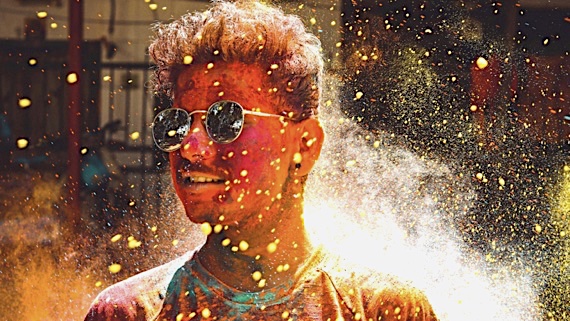
If you want to go further, apply stylistic choices and artistic effects to evoke a specific mood or aesthetic. Such as warm and inviting tones for a romantic scene, or cool and desaturated Colours for a gritty urban setting.
Tools of the Trade
If you want to get started there are a few good Industry-standard options. Software such as Adobe Premiere Pro, Final Cut Pro X and DaVinci Resolve offer powerful tools and workflows for colour grading. They including a wide range of built-in presets, LUTs (Look-Up Tables), and advanced correction tools.
Hardware Calibration
Professional-grade monitors, Colourimeters, and reference displays are essential for accurate Colour reproduction and ensuring consistency across different viewing environments.
Colour Management
The Understanding of Colour spaces, gamma curves, and Colour profiles is essential for maintaining Colour accuracy throughout the production pipeline, from camera capture to final output.
Tips and Techniques
One of the most important things to establish is a consistent workflow. Develop a systematic approach to your grading, including organisation, preparation, and collaboration with other members of the post-production team, director, etc .
Experiment and Iterate
Don’t be afraid to explore different looks and styles through trial and error, and be willing to experiment with unconventional techniques to achieve your desired creative vision.
Reference and Inspiration
Need some inspiration? Then look at the work of other filmmakers, photographers, and visual artists for insights into different approaches to Colour grading. Use reference images and mood boards to guide your creative decisions.
Conclusion:
Colour grading is a powerful tool for enhancing the visual storytelling experience. Allowing filmmakers and creatives to evoke emotions, set the mood, and guide the viewer’s attention. By mastering the art of Colour grading, you can elevate your projects to new heights and create truly captivating and immersive cinematic experiences. So grab your software, calibrate your monitor, and let your creativity shine through the wonderful world of Colour.
If all that sound like too much to comprehend. Worry not we are here to help you get the best look to your next masterpiece.
“First Choice for video –
Your Vision, Our Passion”
Want to deliver inspiring stories that move minds and hearts or explore a marketing strategy to promote your business with video?